Wabi-Sabi:
The Beauty You Notice Slowly
A pale surface, an uneven edge, a shadow that shifts with the light. Finding warmth and character in the things around us.
What Is Wabi-Sabi?
Wabi-sabi is a Japanese appreciation of simplicity, imperfection, and the changes that come with time. Wabi is often associated with modest, understated beauty; sabi with the character that develops through age. It encourages attention to things that may seem unassuming at first.
Time matters here. Japanese aesthetics has long engaged with impermanence: the recognition that things change rather than remain fixed. For everyday objects, this invites us to notice both the material in front of us and how our experience of it develops through use.
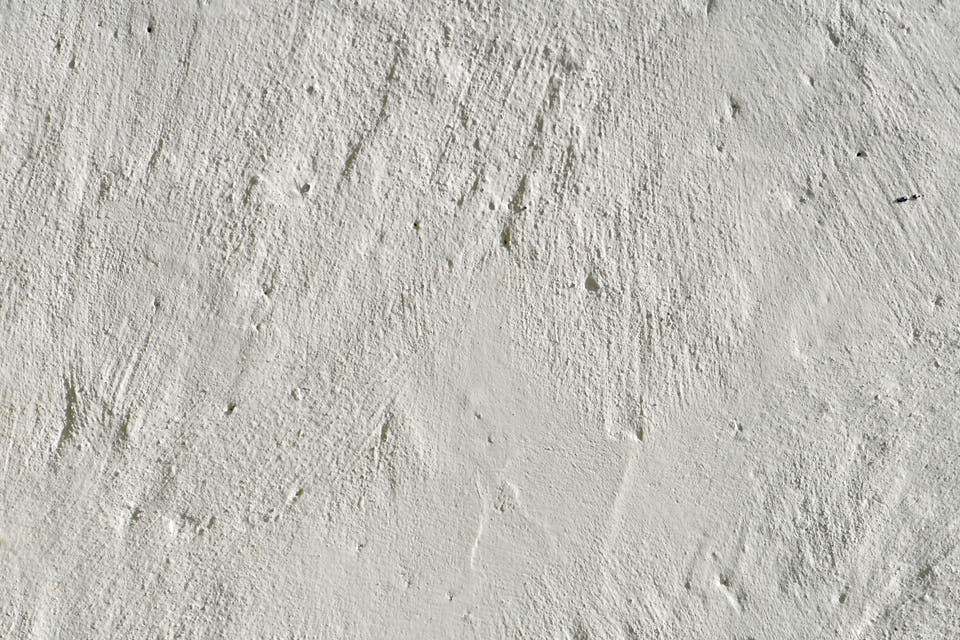
Look at the wall above. Its ivory color is almost uniform, yet shallow ridges and small marks catch the light differently. The surface rewards a second look. A photograph cannot tell us how old it is, but it can draw our attention to the details we might otherwise pass by.
This is the starting point for BeenEast’s Wabi-Sabi style guide: give yourself time to see the surface. The photographs here offer ways to notice texture, light, and familiar materials in your own surroundings.
A Way of Looking, Rooted in Tea
Japanese tea culture helped give wabi a lasting expression. In the sixteenth century, tea masters including Sen no Rikyū cultivated an appreciation for modest, rustic utensils. A bowl’s shape, clay, and surface deserved close attention, as did its place in the act of serving tea.
In a tea gathering, a guest attends to the warmth of the bowl and the color of the tea against the clay. The vessel has a job to do as well as a surface to admire. The Met describes this relationship between usefulness and appreciation as central to the utensils of tea.
That attention is useful when choosing things for everyday life. A cup should feel comfortable in your hand. A cloth should suit the way you use your table. Familiarity grows through these small encounters: you learn the weight, the texture, and the side you like to turn toward you.
A new object can have an irregular glaze or a visibly uneven weave. Those are qualities of its making. The softness or patina that comes with years of use is a different kind of change, one that a photograph of a new piece cannot promise.
Material / At the table
Let Pale Surfaces Feel Different
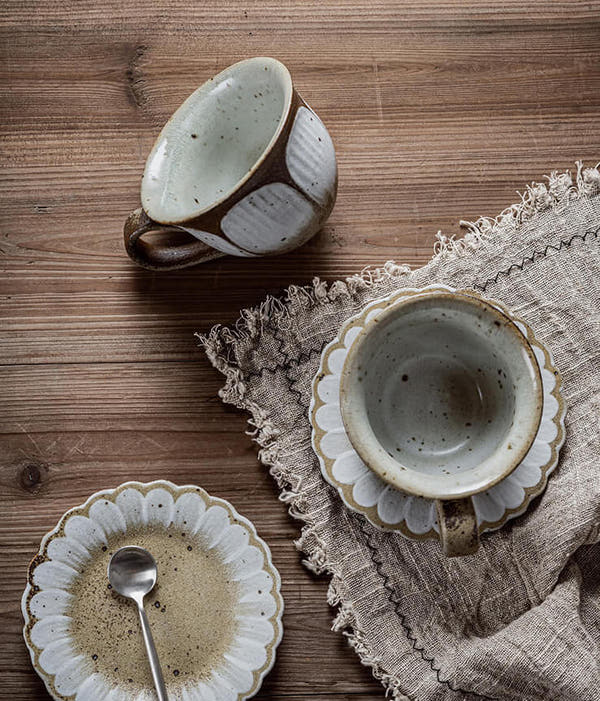
This table setting works because the materials have different finishes. The glazed cups catch small highlights. The cloth has a loose, fibrous edge. The grain of the table runs in longer lines beneath them. Their colors are close, but their textures give each one a place.
Try a cream-colored cup beside an oatmeal cloth on bare wood. Keep part of the tabletop uncovered so you can see the change from fiber to grain. A small woven coaster can add another texture beneath a plain cup. You do not need a matched set: start with pieces whose shapes and surfaces you enjoy together.
When choosing ceramics, look beyond the photograph. Check the size, the care instructions, and whether the piece is suitable for the food or drink you plan to serve. A distinctive surface is most satisfying on something you can use comfortably.
Begin with Warm Ivory
Let warm ivory occupy most of the setting: a pale cloth, a few light-colored ceramics, or the wall behind them. A little weathered wood adds warmth. A small gray-green detail can sit quietly alongside both.
These shades draw on the BeenEast style guide. Here, ivory leads and the darker colors stay in smaller areas. Keep enough contrast to see a rim, a fold, or the edge of a woven surface.
Ivory is the palette for this story, rather than a requirement of wabi-sabi. Historic tea wares include dark Raku bowls and reddish-brown Bizen vessels. What connects them is the attention given to form, material, and use. You can begin with a pale setting without treating it as a formula for Japanese aesthetics.
Light / Small changes
Notice What the Light Reveals
Across the wall in the opening photograph, shallow ridges create tiny areas of light and shadow. The color hardly changes, yet the surface never looks completely flat.
You can look for the same effect on an object: the shadow beneath a woven strand, a fold in cloth, a highlight along a glazed rim. Place it near a window and look again as the daylight shifts. The object stays the same; a different detail comes into view.
Leave a little space around it. A quiet setting makes those small differences easier to notice.
Everyday / A softer silhouette
Carry the Pale Palette into Clothing
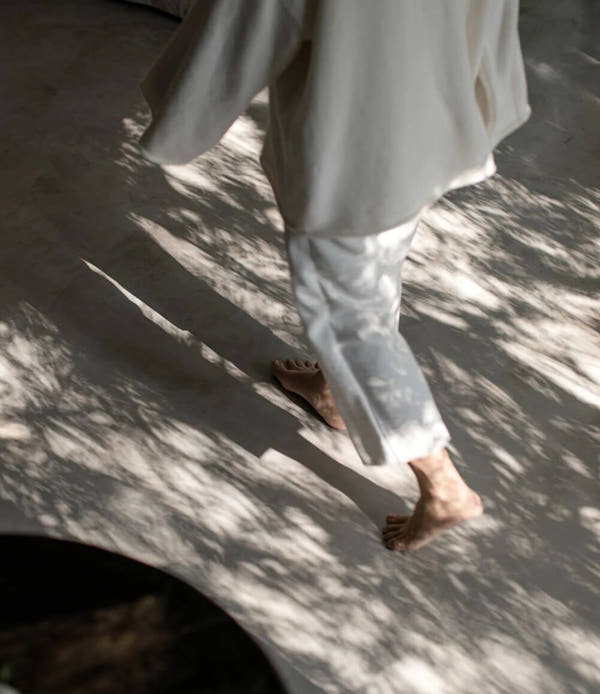
In this scene from the style guide, loose ivory-colored fabric falls in broad folds. Dappled light breaks across the cloth and the ground, giving the pale outfit depth without a strong print.
For a similarly quiet combination, start with a cream shirt or an easy pair of pale trousers. Let the cut and folds provide the movement, with a small woven accessory if you want another texture. Choose a fabric that feels good to wear and suits your day.
Make Room for Everyday Use
Begin with one corner of a table or one object you use often. Fold a cloth beside a cup, move away something that crowds it, and see what feels comfortable. You can add another texture later if the setting needs it.
With use, cloth may soften and some materials develop a sheen. Follow each piece’s care instructions and let changes happen through ordinary handling. A comfortable rim, a stable base, and sound construction still matter.
If you would like to explore how color and pattern enter cloth, visit the community’s hand-dyeing guides. They offer a next step into materials, methods, and care.
Explore Wabi-Sabi with BeenEast
Browse the collection with a particular detail in mind: a texture you want to touch, a shape you like holding, or a color that sits well with what you already own.
Further reading: The Japanese Tea Ceremony, The Met · Japanese Aesthetics, Stanford Encyclopedia of Philosophy.

